4 published tools
AI Rap Lyrics Generator Tools
Write bars that work beyond the page
An AI rap lyrics generator can help you brainstorm a topic, explore a rhyme direction or get past an empty page. The useful output is a draft you can shape, not a substitute for your perspective. Give the tool a concrete situation, an intended mood and the section you need, such as a verse or a hook. If the workflow supports it, specify line count, language style and boundaries around explicit content. Compare tools by how well their writing responds to your instructions and how easily you can revise the result, rather than by the number of rhymes alone.
Read generated bars aloud over the beat you intend to use. Lines that look tidy on screen can be difficult to deliver when stresses and syllables do not fit the rhythm. Remove filler, replace generic images with details from your own experience and check every factual statement. Avoid copying existing songs or requesting close imitation of a living artist. Before recording or releasing lyrics, review the provider’s current output terms and consider whether any names, personal details or claims need consent or further checking.
Bring a topic and a beat, then use a lyrics draft as material for your own rewrite.
Compare AI rap lyrics generators
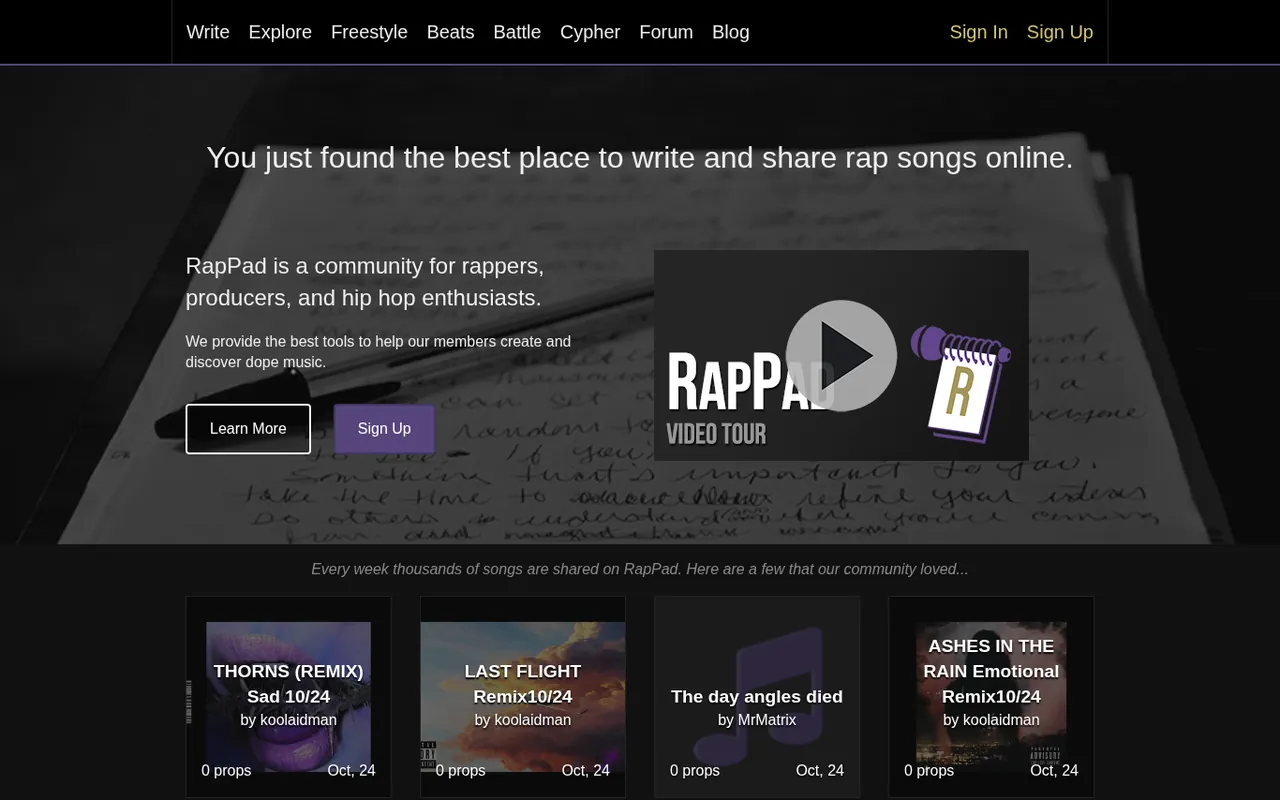
Online tool for writing and sharing rap songs.
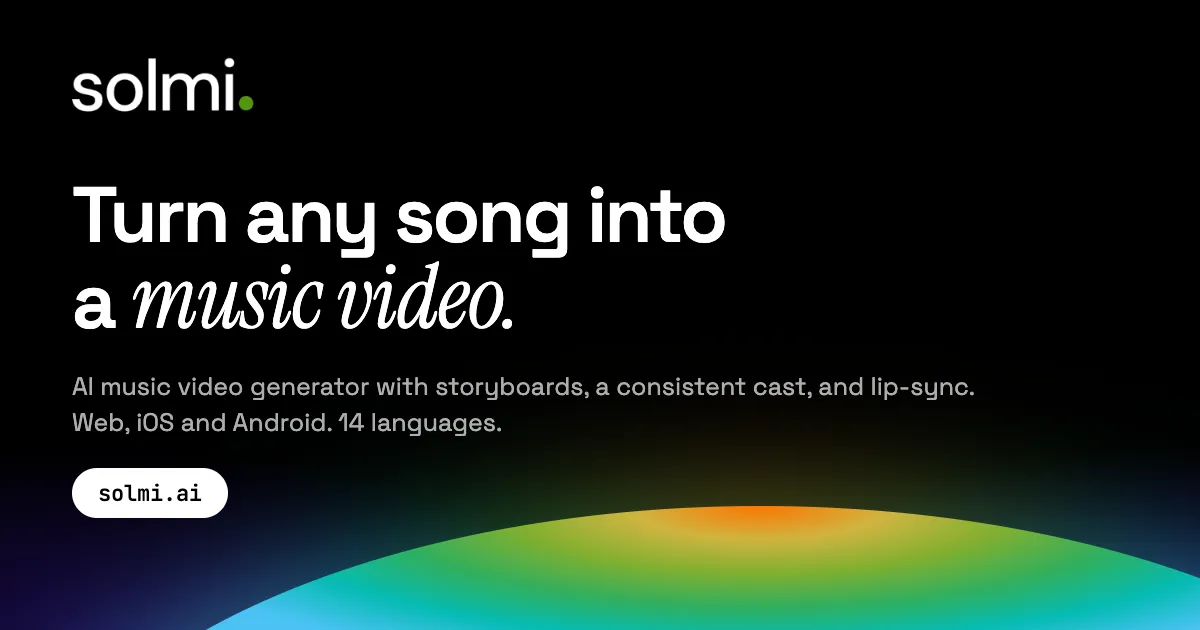
Free rap lyrics generator that writes original bars, hooks and verses on any topic, then can turn them into a track.
Writes two 16-bar verses and a hook with internal rhymes from a topic, in styles like trap, drill or boom-bap.
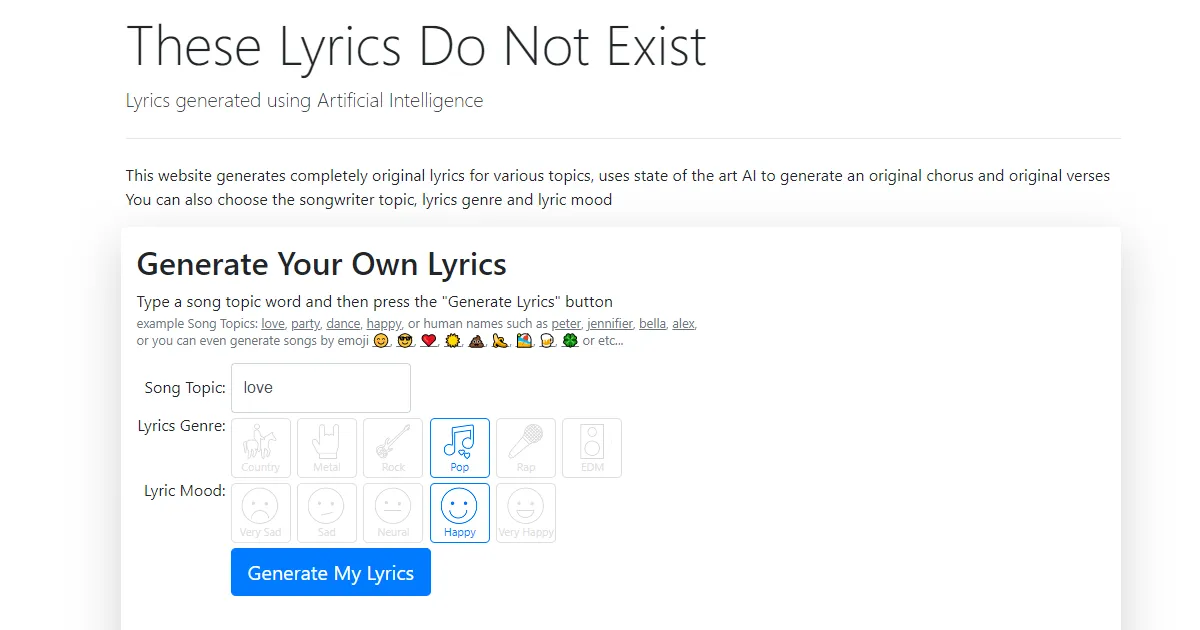
AI songwriter that generates original song lyrics from a topic, genre and mood.
Ordered by featured status, editorial order, then slug. Inclusion is not a quality or security guarantee.
Use a writing brief instead of a rhyme request
Describe what the listener should understand by the end of the verse. Choose a speaker, a situation and a change in perspective, then supply a few details you are comfortable making public. A scene such as missing a train can give you actions and images to develop without relying on private information. Set boundaries for explicit language and personal references. These constraints give you a way to judge the draft beyond whether its line endings rhyme.
Work on one section at a time. A verse needs room to develop an idea, while a hook needs a memorable center that can withstand repetition. Ask for the type of section you actually need and keep your own outline beside the output. If a generated line introduces a new topic or an unsupported assertion, remove it or rewrite it rather than preserving it because the rhyme is convenient. Coherence matters more than filling a predetermined number of lines.
Make a performance pass after the meaning is clear. Read at the intended tempo, tap the pulse and mark natural stresses. Shorten phrases that require rushed delivery unless that effect is deliberate. Leave room for breathing and distinguish a pause on the page from one you can actually perform. A text tool cannot establish that a line fits your delivery simply by presenting it as a bar, so use a rough spoken recording to test your edits.
Compare different writing directions using the same central scene. You might try a direct account, a humorous version and a more reflective perspective, then identify which images and arguments genuinely serve the song. Do not combine every attractive line into one verse if their viewpoints contradict each other. Write a short summary of what each section contributes and remove material that belongs to another idea. Keep discarded lines in a separate draft rather than forcing them into the current structure. This turns generation into an exploration process while leaving the selection, sequencing and final point of view under your control.
Edit for voice, accuracy and originality
Replace general statements with details you can stand behind. Read the draft without the beat and ask whether each line advances the point, reveals character or creates a useful image. Cut repeated ideas and explanations of jokes. When changing a rhyme, preserve the intended meaning first and rebuild the surrounding words second. Saving an earlier version makes it easier to compare whether a clever replacement genuinely improves the verse or merely makes it more complicated.
Before recording, inspect every reference to a real person, place or event. Remove private information and verify factual claims independently when they matter to the song. Check for phrases that sound borrowed and avoid using a generated draft to imitate an existing artist’s distinctive lyrics. Review the provider’s terms, retain your revisions and keep a final lyric sheet for captions and credits. Text that sounds polished still requires human review before public performance or release.
Treat an unpublished lyric draft as potentially sensitive writing. Before submitting autobiographical details, read the provider’s policies about stored prompts, training use and shared workspaces. Replace names and identifying details with placeholders while experimenting if those details are not needed for the writing task. When working with collaborators, agree on which version is approved and how writing contributions will be credited. Keep a record of your changes and the final text, not just a link to an editable session. This makes the handoff to a vocalist, producer or caption editor clearer and reduces the chance that an old draft becomes the performed version.